
The appeal of handmade fresh pasta has become increasingly popular among modern diners, and they can easily recognize and appreciate it when the pasta is made in-house. Choosing the best commercial pasta machine helps restaurants produce fresh, consistent pasta while efficiently meeting customer demand.
This is precisely why many restaurant owners, chefs, and other members of culinary staff invest in commercial pasta machines.
Here are the benefits of in-house pasta preparation:
- Profit: Making your own pasta increases your margins.
- Customer satisfaction: Please your customers with freshness and great taste in a variety of shapes and flavors.
- Marketing: Crafting your specialty pastas sets you apart from competitors.
- Short waiting time for customers: Fresh pasta cooks in 3-4 min versus 10-12 min for dry pasta.
If you want to distinguish your restaurant from the competition, you should consider investing in a pasta machine. The best commercial pasta machine can improve kitchen efficiency while helping you deliver fresh, high-quality pasta consistently.
This quick guide will cover most of what you need to know to purchase the best commercial pasta machine for your restaurant.
Types of Best Commercial Pasta Machines
Pasta Extruders
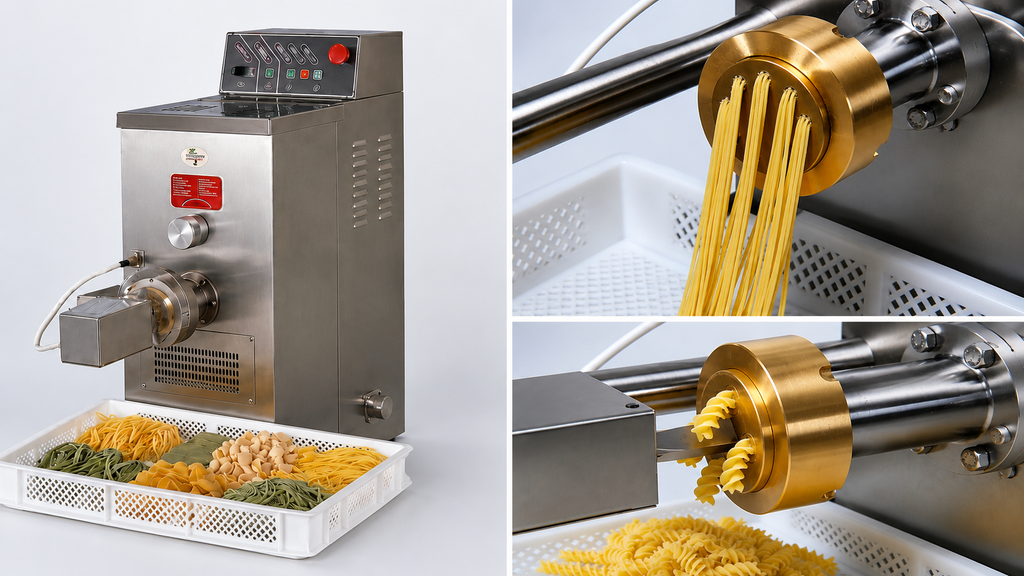
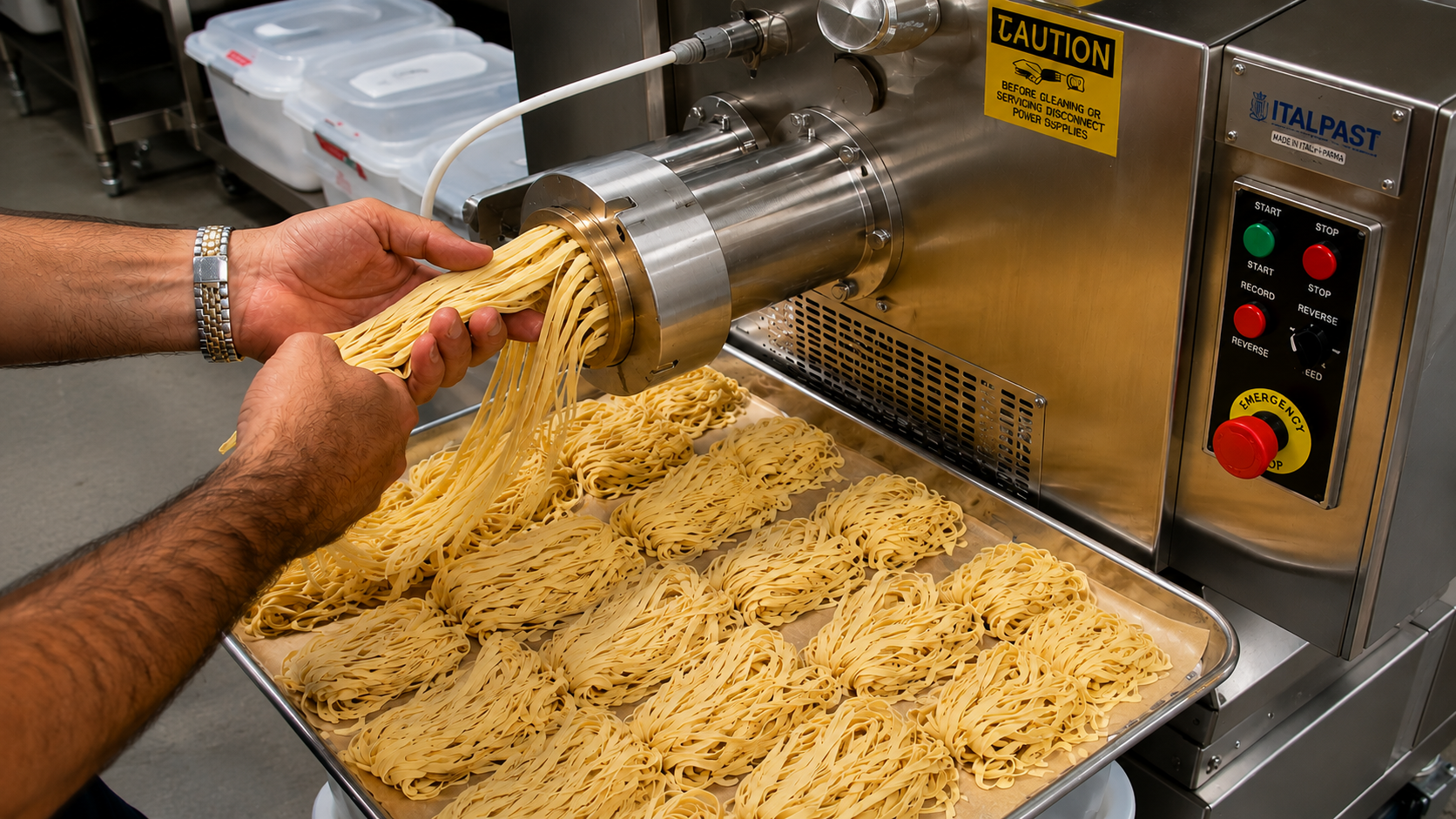
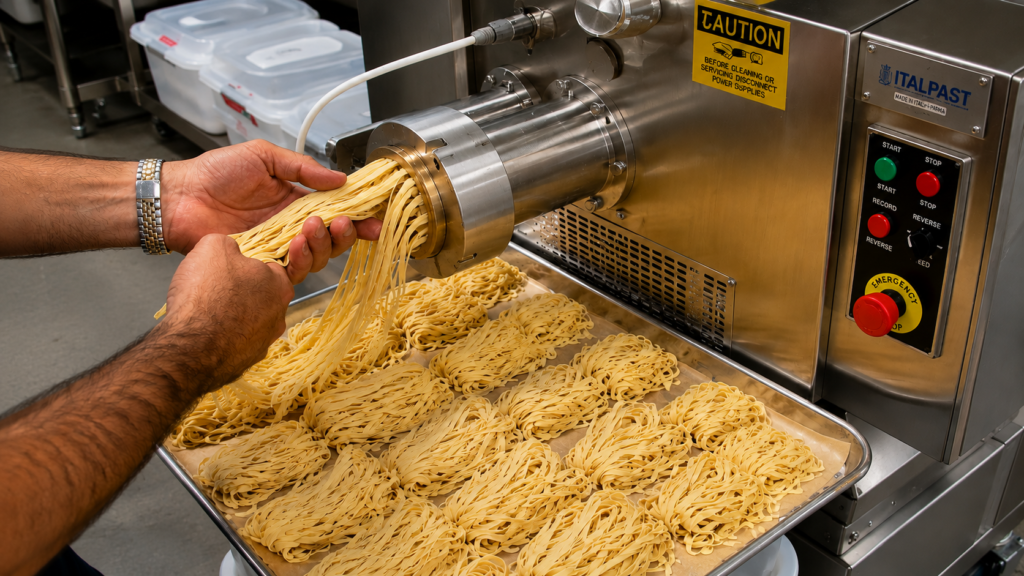
Pasta extruders push the dough through dies, producing different pasta shapes in one process (such as Spaghetti, Bucatini, Rigatoni, Fusilli, Shells, Penne, Ziti, etc.).
These machines are great options for restaurant owners who offer a range of different pasta shapes.
They are fast, easy to operate, and require minimal labor.
Pasta Sheeters
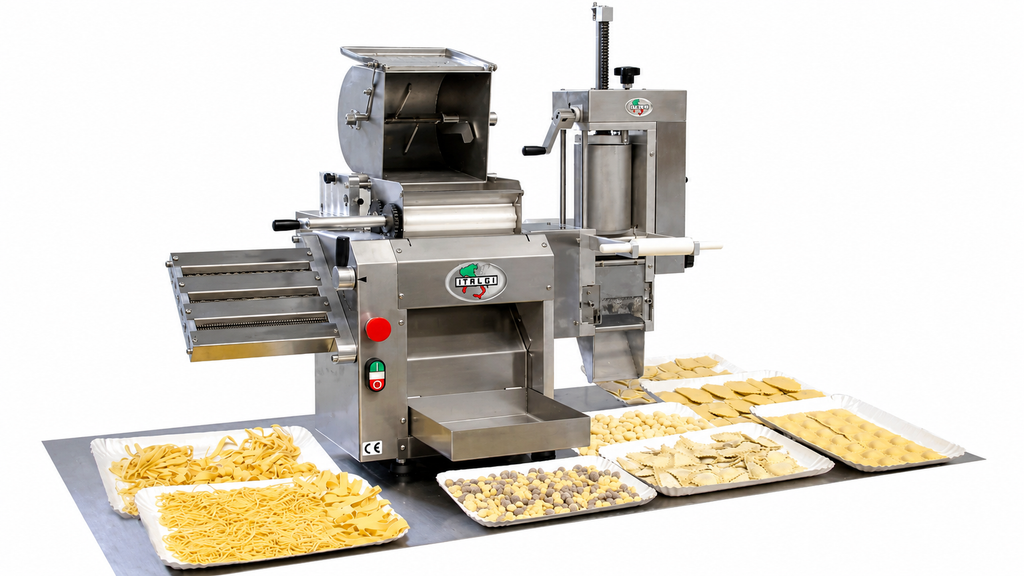
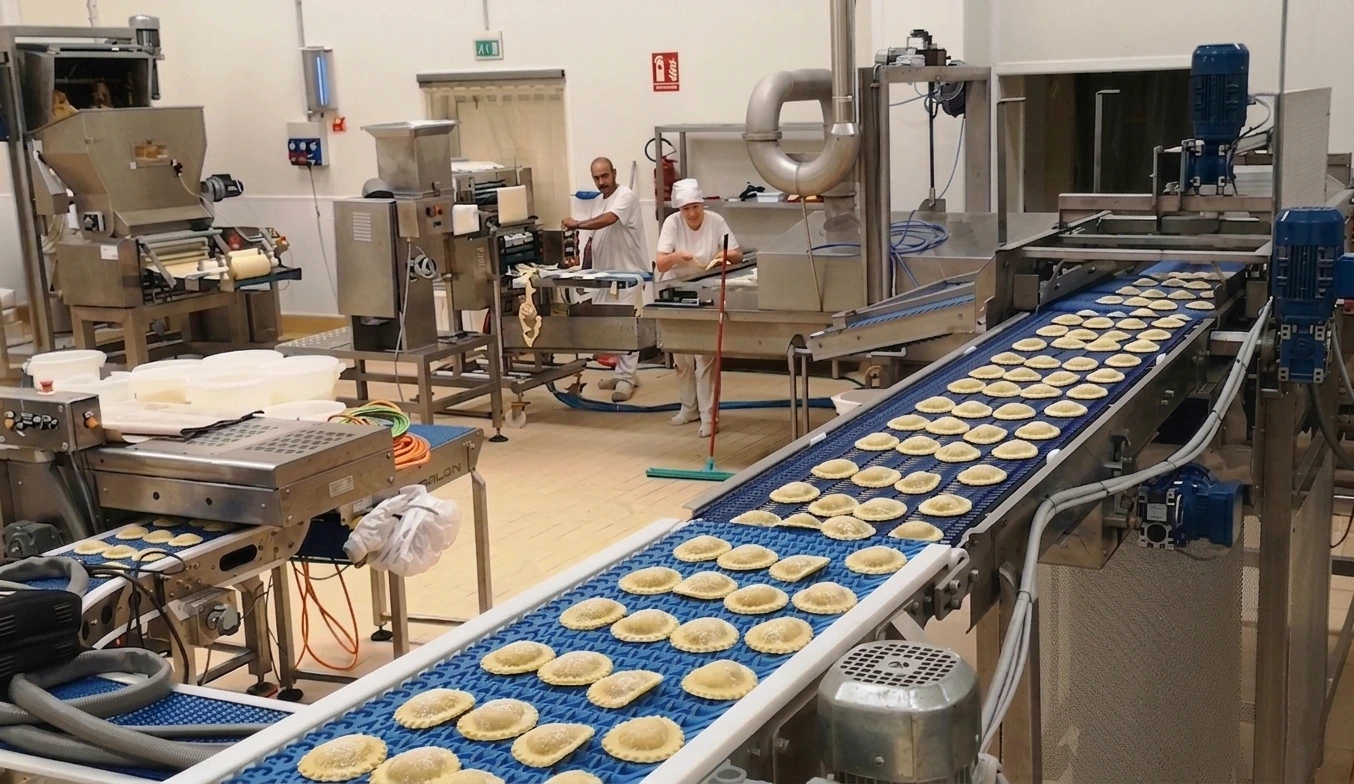
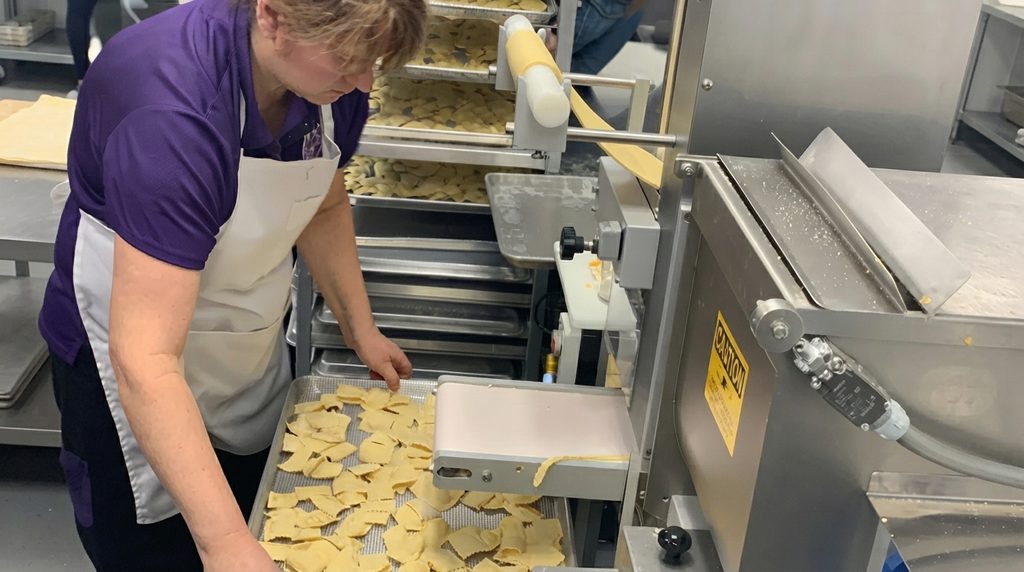
Pasta sheeters are designed to make flat pasta products: Linguine, Fettuccine, Pappardelle, Lasagna, etc., as well as different shapes of Ravioli, with several advantages over pasta extruders regarding the type of dough:
1. The thickness of the dough is always adjustable
2. The dough is moist and pliable, ideal for making quality Ravioli.
3. This type of pasta machine allows greater freedom in creating different dough flavors and textures.
When choosing the best commercial pasta machine, consider the pasta varieties you plan to serve, your desired production capacity, and the amount of available kitchen space.
Important Things for Restaurant Owners to Consider
Durability and Construction
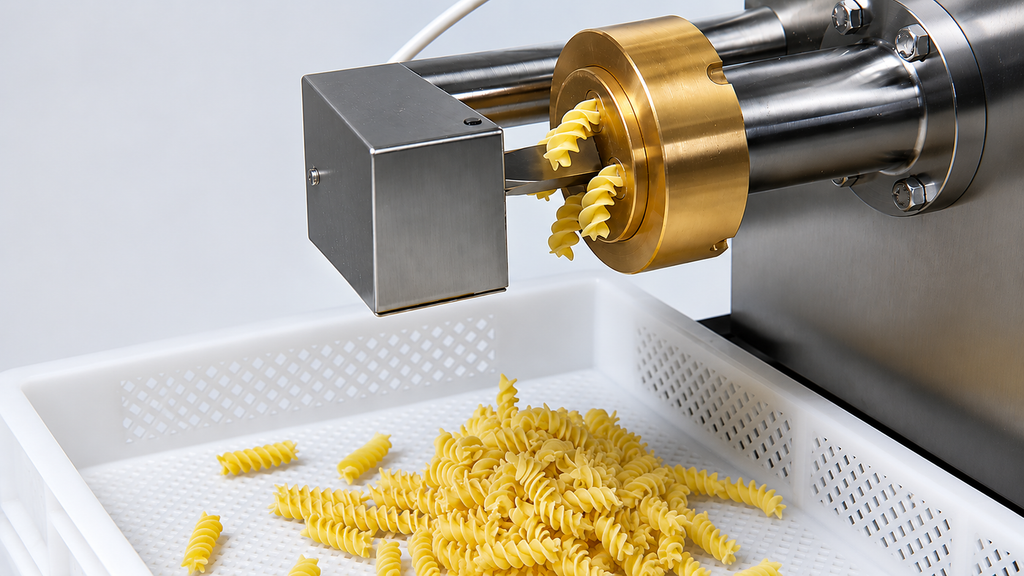
A good commercial pasta machine should be designed according to hygiene and safety requirements, made of stainless steel or food-grade materials, and provided with heavy-duty motors and gearboxes for product quality and equipment durability.
Output Volume Capacity
It is important to estimate the output volume capacity that a restaurant will need at the busiest time.
Higher output means less labor cost.
Cleaning Ease
Given that pasta dough is sticky and will easily build up, machines that have removable components along with cleanable surfaces will help save a lot of time when cleaning.
Flexibility with Pasta Shapes and Cuts
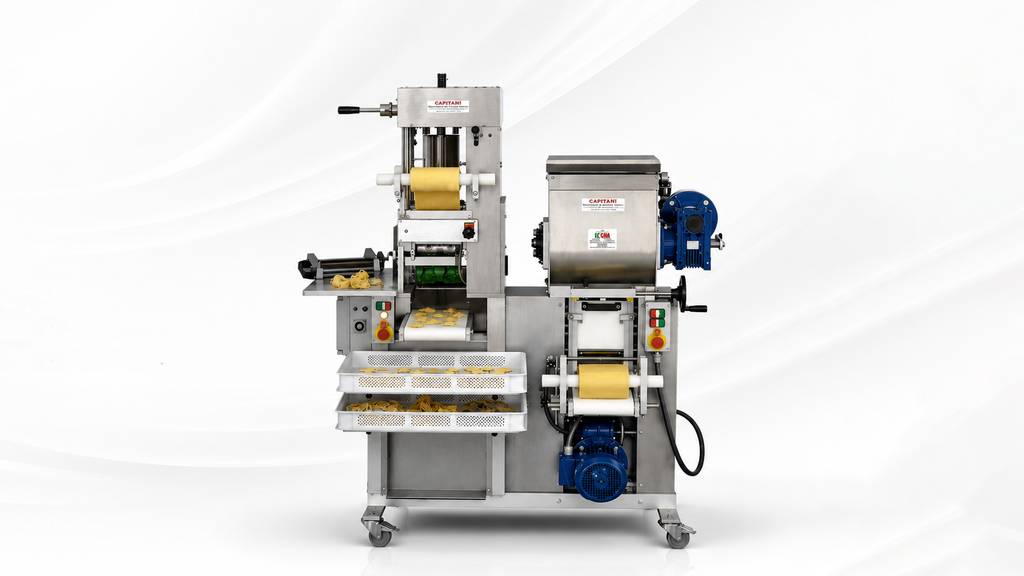
Some machines have interchangeable dies/cutting accessories which make it possible for the machine to produce different pasta shapes and cuts, and this is really helpful in creating special dishes and also periodically changing the menu.
Floor Space Required
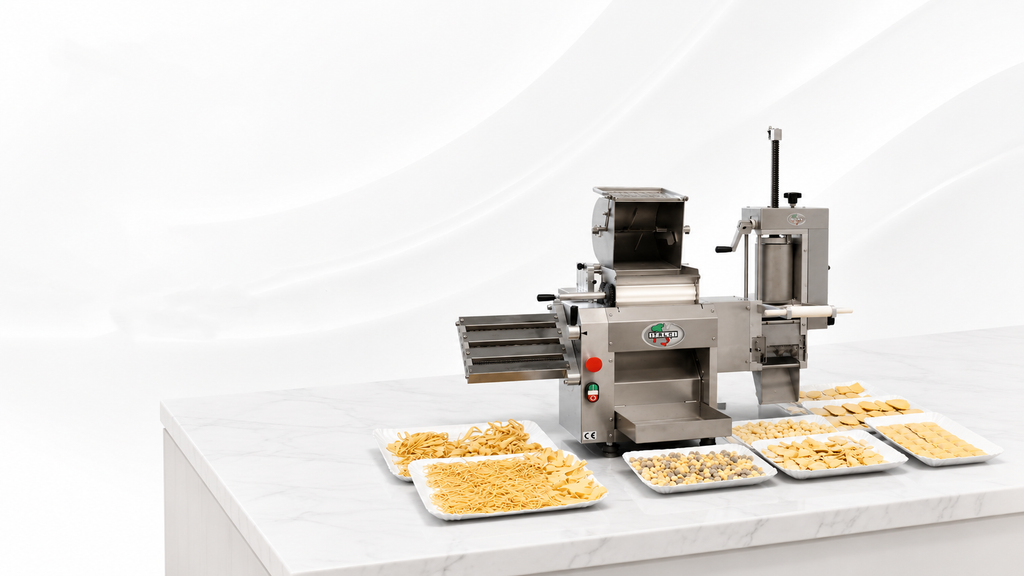
Some restaurants do not have enough floor space to accommodate stand-alone machines; in that case, a countertop model will be the right choice.
FAQ’s
Selecting the best commercial pasta machine starts with understanding your kitchen’s space, production needs, menu, and budget.
1. What is the best commercial pasta machine for restaurants?
It all depends on the type of pasta you want to produce. For spaghetti, penne, rigatoni, and other formed pasta products, the extruder is the best tool for the job. But for lasagna, fettuccine, and ravioli, the sheeter is more suited for the task.
2. How much pasta should a restaurant machine produce?
Size it around your busiest service, not your average one. Work out how much pasta you push during peak hours and pick a machine that hits that number comfortably if your staff is racing the equipment to keep up, it’s undersized.
3. Should a restaurant choose a pasta extruder or a sheeter?
Go with an extruder if you want variety; swap the dies, and you get several shaped pastas from one machine. Go with a sheeter if your menu is built on flat pasta, filled pasta, or anything where you need to dial in the dough thickness yourself.
4. Can a countertop pasta machine handle restaurant use?
It can, as long as its output keeps pace with your orders. Countertop models are a solid fit for smaller kitchens, tighter menus, and moderate volume where a full floor-standing unit would be overkill.
5. What should I check before buying the best commercial pasta machine?
Run through production capacity, footprint, the pasta types it makes, how easy it is to clean, electrical requirements, build quality, warranty, and whether replacement parts are easy to get. That last one catches people out: a great machine is a headache if parts take weeks to source.
6. Is making fresh pasta in-house profitable?
Usually, it is. Ingredients such as flour, eggs, and water are inexpensive, and freshly made pasta can help you increase its price. However, whether it is going to be profitable or not will depend on several factors, including the cost of labor and quantity of servings.
7. How quickly does fresh pasta cook?
Most fresh pasta is done in about three to four minutes, much faster than dried. Shape, thickness, ingredients, and whether it’s filled will move that number up or down.
8. Can the same pasta machine produce different types of pasta?
Yes, because most pasta machines have interchangeable dies, cutters, or attachments to vary shapes. It depends only on whether the machine comes with the attachments you want or you will have to purchase them separately.
9. How frequently should the commercial pasta making machine be cleaned?
Cleaning of food contact surfaces should be performed after each production run, as recommended by the machine manufacturer. It guarantees the quality of food produced and complies with sanitary norms.
10. How do I find the best commercial pasta machine for my kitchen?
Choose the machine based on your own kitchen realities – what you need it for, your space, staff, and budget, rather than on capacity that is listed on its specification sheet. The best pasta-making machine is the one that matches your kitchen operations.
Conclusion
Selection of the best commercial pasta machines for restaurants depends on each restaurant’s demands — its menu, capacity, available space, and staff.
Pasta extruders are a great choice for most restaurants offering many different pasta shapes. They are fast, easy to operate, and require minimal labor.
Pasta sheeters are the best choice for gourmet restaurants with ravioli and lasagna on their menu. They allow greater freedom in creating different dough flavors and textures.
Whichever of these options is chosen, the appropriate pasta machine will increase profit, add value to the menu, increase the efficiency of the kitchen, and contribute to the success of the restaurant.
Investing in the best commercial pasta machines ultimately supports both quality and long-term kitchen success.